VOL. 06 · ISSUE 01
801 · INTRO TO LEARNING DESIGN
A six-phase instructional design framework
The ASSURE
Model.
Built by Heinich, Molenda, Russell & Smaldino for the K–12 classroom — a small, structured way to integrate media into a single lesson.
Analyze State Select Utilize Require Evaluate

What is ASSURE?

// Origin, principles, and intended use
02 / 08

Origin

Developed by Heinich, Molenda, Russell, and Smaldino in their classic textbook Instructional Media and Technologies for Learning.

Built specifically for K–12 classroom teachers — not for enterprise training.

The acronym is a memory aid: each letter is a working step, in order.

Why teachers use it

01
Lightweight enough for a single lesson plan, structured enough to scale.
02
Treats media and technology as a deliberate decision, not an afterthought.
03
Centers the learner: who they are shapes everything that follows.
04
Iterative — evaluation and revision are built into the cycle.

Phases 1–3 · Setup

// Analyze. State. Select.
03 / 08
01
Analyze
Learners
Identify general characteristics, prior knowledge, and learning preferences. Who you're teaching shapes everything that follows.
02
State
Objectives
Write specific, measurable objectives using the ABCD format: Audience, Behavior, Condition, Degree.
03
Select Methods,
Media, Materials
Method first, then media, then specific materials — in that order. Avoid the trap of starting with the tool.

Phases 4–6 · Run & Reflect

// Utilize. Require. Evaluate.
04 / 08
04
Utilize
Media
Preview, prepare materials, prepare environment, prepare learners, then provide the experience. The "5 P's."
05
Require
Participation
Active engagement is required, not optional. Learning is what the learner does — discussion, practice, feedback.
06
Evaluate
& Revise
Assess learner achievement, the methods, and the materials. Revision is built into the cycle, not optional.

ASSURE vs. ADDIE vs. SAM

// How the three models differ
05 / 08
ASSURE
// CLASSROOM-FIRST
Phases
6
A · S · S · U · R · E
Structure
Linear · loop back to revise
Built for
K–12 teachers · single lesson
Strength
Lightweight · learner-first · fast
Limitation
Not built for org-scale training
ADDIE
// SYSTEMS-FIRST
Phases
5
A · D · D · I · E
Structure
Waterfall · feedback loops
Built for
Large-scale corporate training
Strength
Comprehensive · rigorous
Limitation
Slow · heavy upfront analysis
SAM
// AGILE-FIRST
Phases
3
PREP · DESIGN · DEV
Structure
Iterative design & dev · prototype-driven
Built for
Fast-moving agile teams
Strength
Fast iteration · low rework
Limitation
Less documentation · needs maturity

A teacher uses ASSURE.

// Application example — Sarah teaches the water cycle
06 / 08

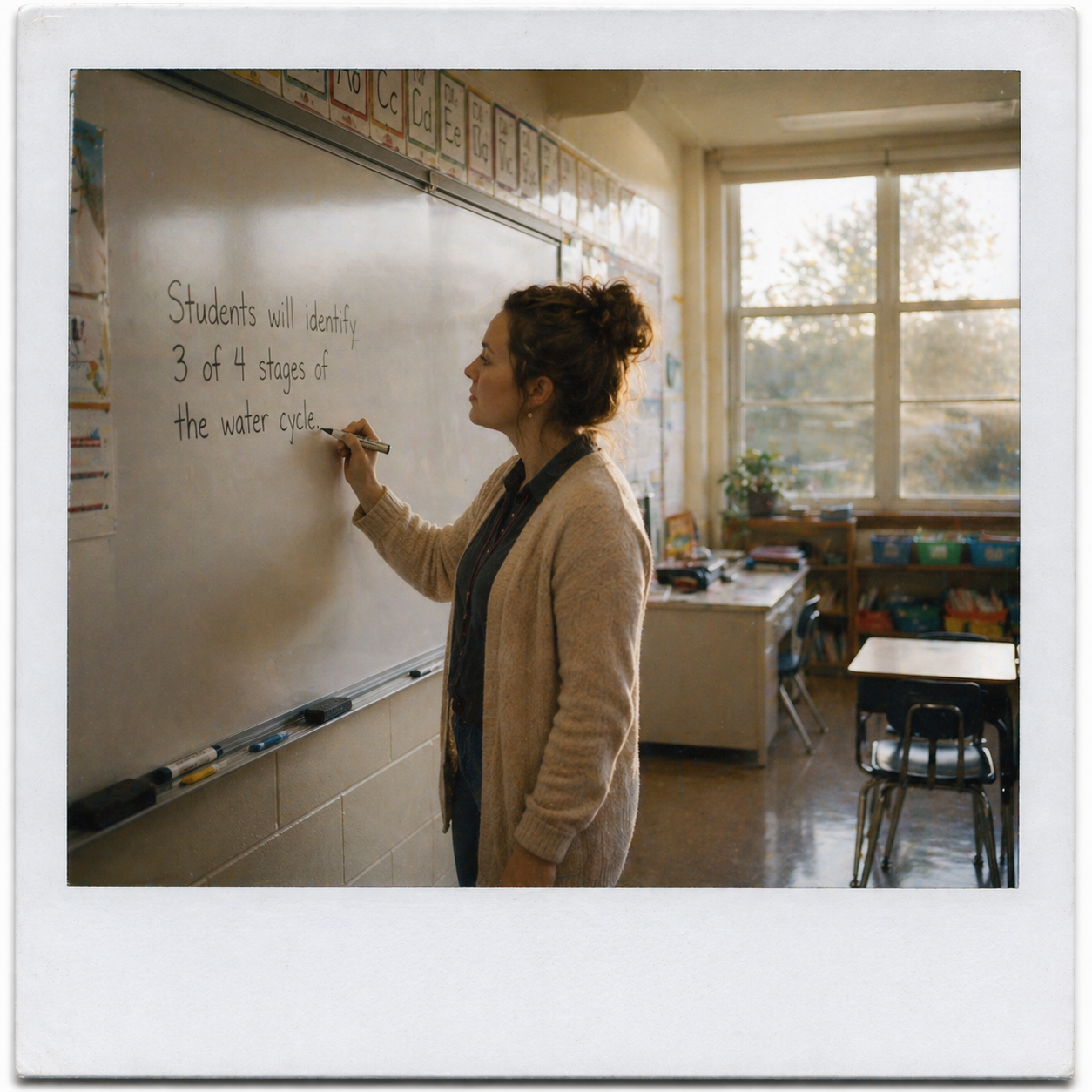
Sarah teaches 4th-grade science. 24 students, mixed reading levels, one week to design a unit on the water cycle.
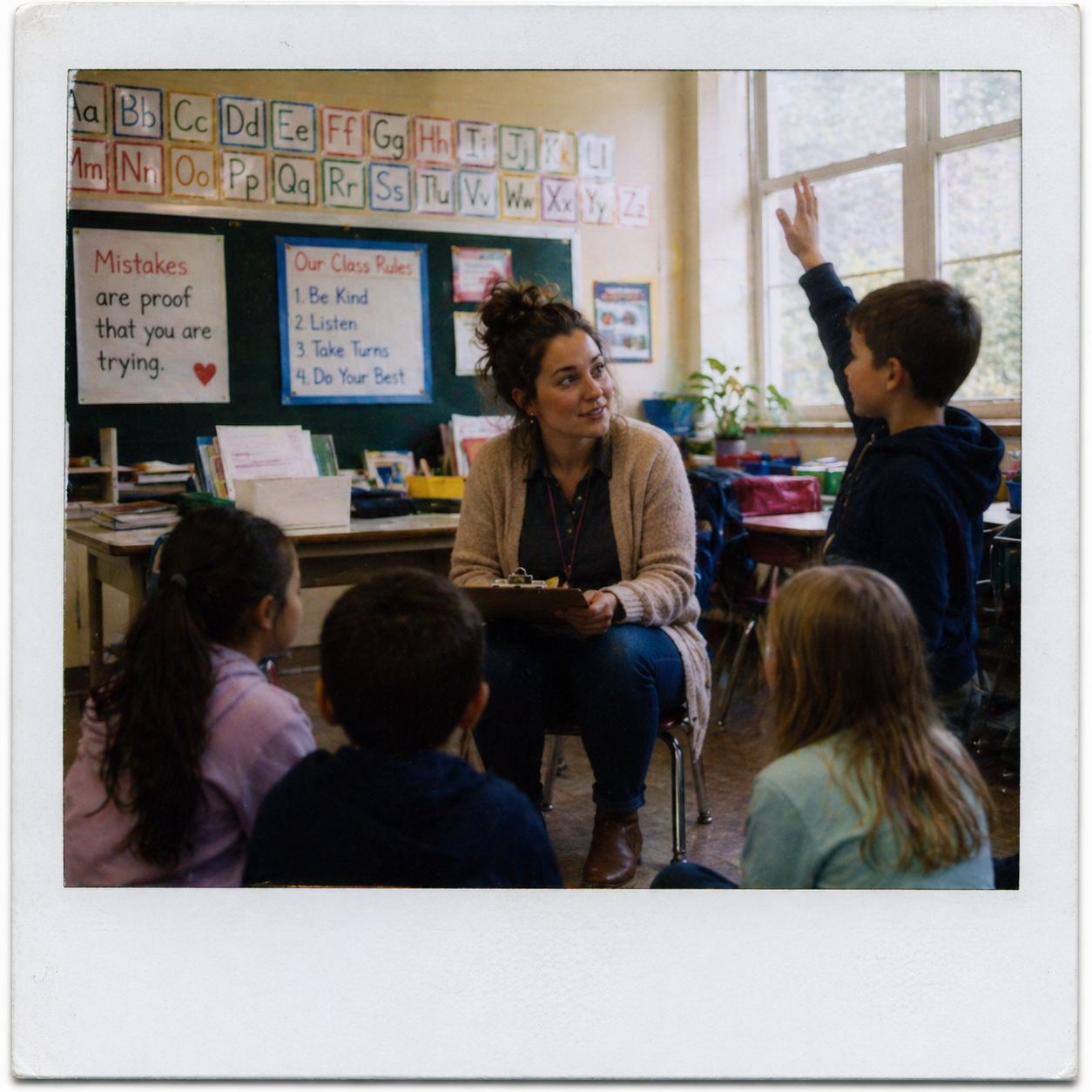
Sarah surveying her class
surveying the class
Sarah writing objective on whiteboard
writing the objective
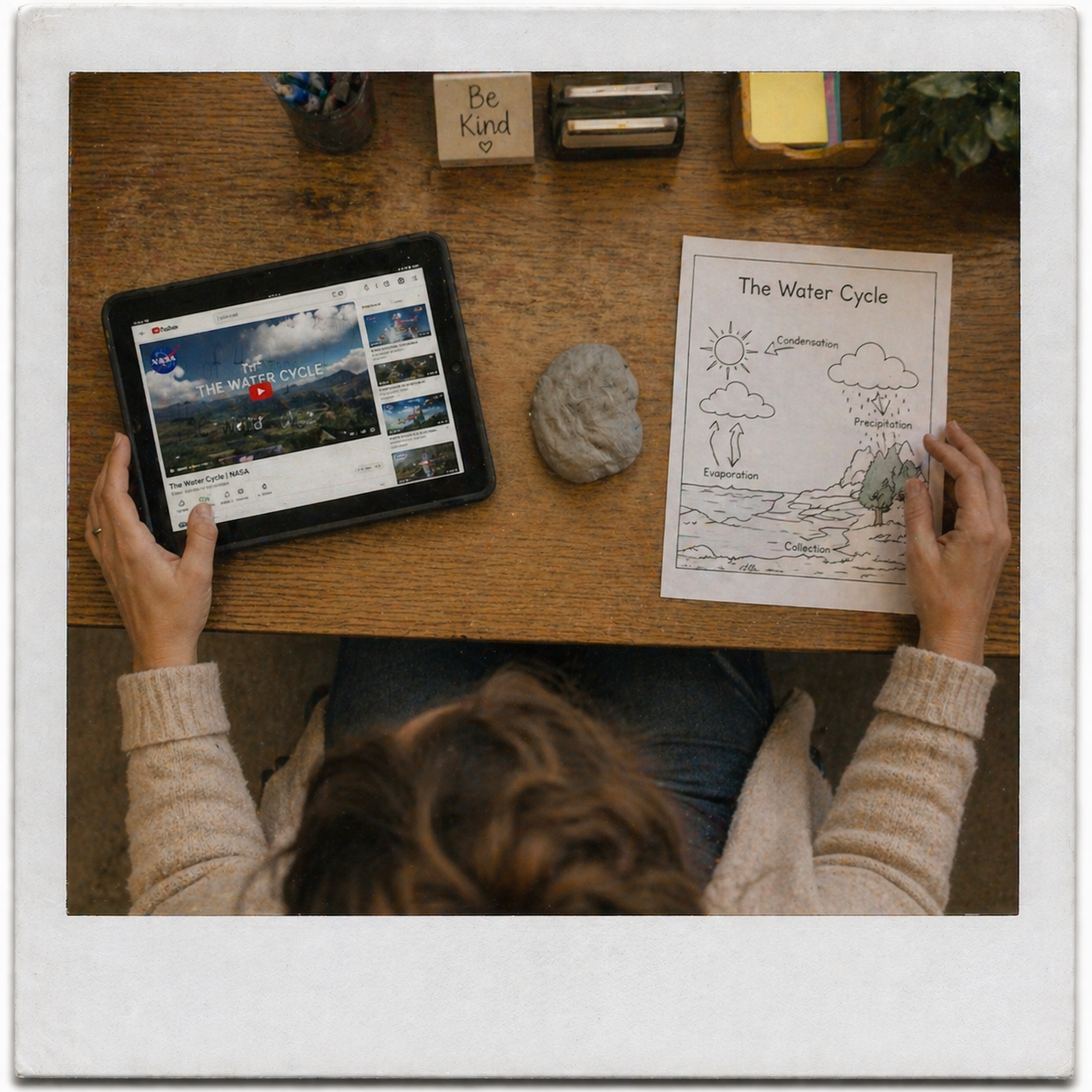
Picking materials — iPad, clay, water cycle diagram
picking the materials
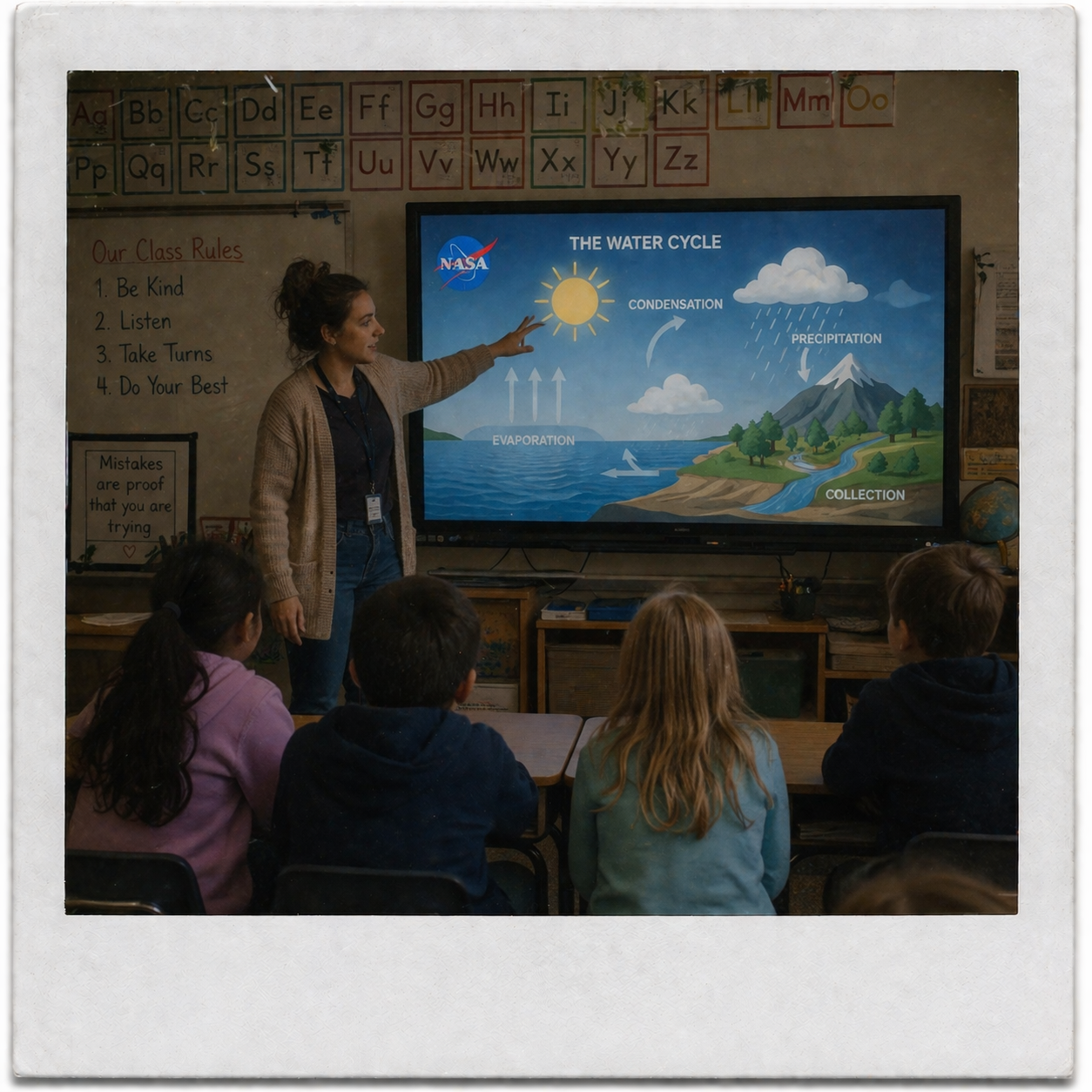
Sarah at the board showing the NASA water cycle
showing the video
Two students building a clay water cycle model
building clay models
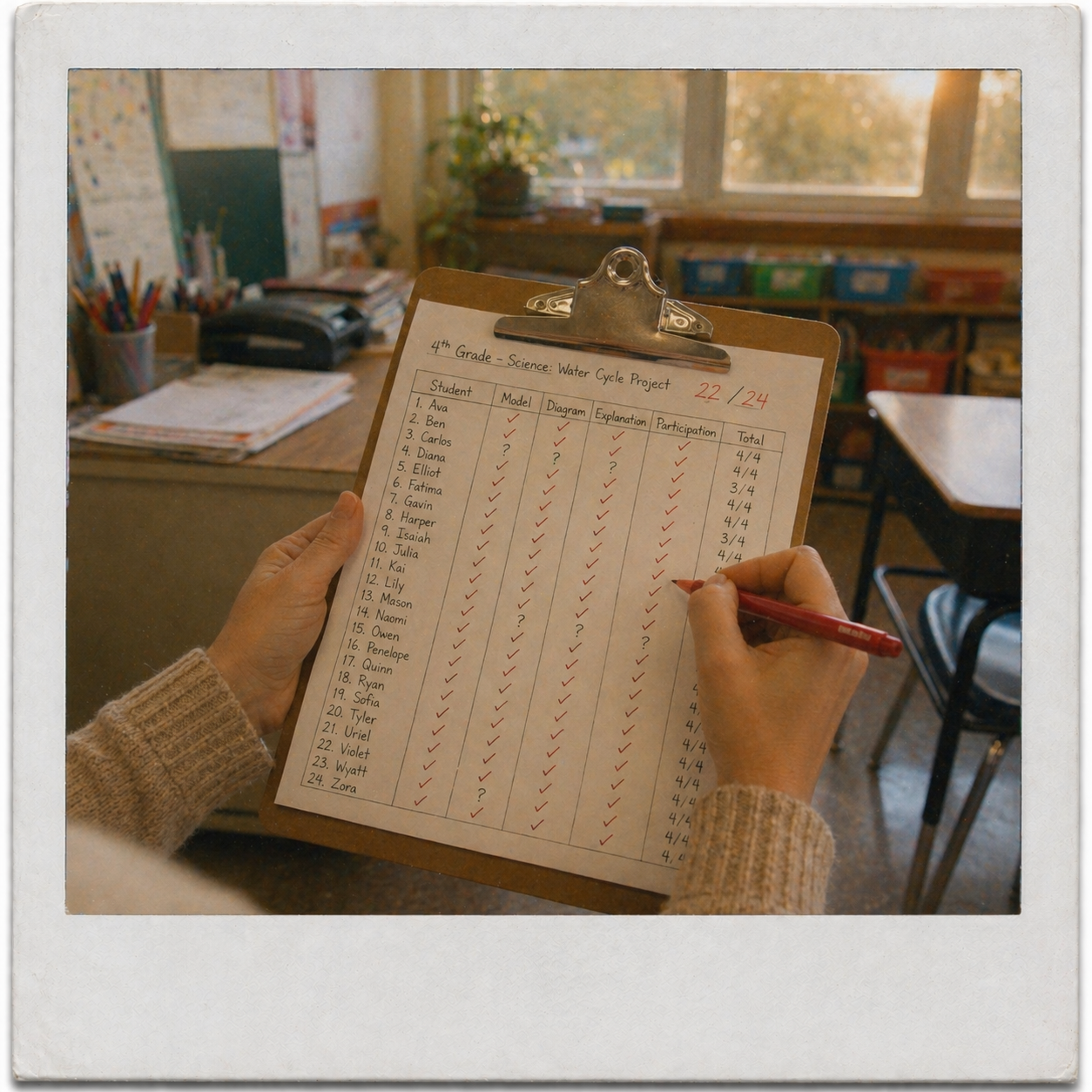
Sarah grading the rubric — 22 of 24
22 of 24!
01
Analyze
Surveys students. 6 read above grade level, 4 below. 60% prefer visual learning. 8 have iPads at home.

Reflection & Insight

// What I take from comparing these models
07 / 08

My take on ASSURE

ASSURE's strength is what it asks first: who are you teaching? Most models start with the content or the system. ASSURE starts with the learner — and that order matters.

It's the right model when the work is small, fast, and classroom-shaped: a single lesson, a single unit, a single instructor. Not the right tool for an enterprise training program.

What comparing models taught me

  • No model is universal. The right one depends on the scale of the work and the team running it.
  • ASSURE wins on speed. ADDIE wins on rigor. SAM wins on iteration.
  • Start with the question, not the model. The model should fit the problem, not the other way around.
  • Every model evaluates. The difference is when, how often, and how seriously.

References & tools

// Sources for the models, tools used to build the deck
08 / 08
ASSURE

Heinich, R., Molenda, M., Russell, J. D., & Smaldino, S. E. (2002). Instructional media and technologies for learning (7th ed.). Merrill/Prentice Hall.

ADDIE

Molenda, M. (2003). In search of the elusive ADDIE model. Performance Improvement, 42(5), 34–36.

SAM

Allen, M. W. (2012). Leaving ADDIE for SAM: An agile model for developing the best learning experiences. ASTD Press.

CHATGPT

ChatGPT (OpenAI). Generated the six polaroid images of Sarah's water-cycle lesson on slide 6.

DECK

Claude (Anthropic). Helped design and build this HTML slide deck — layout, typography, and the interactive step-throughs.

SFSU · ITEC 801 · Melissa G. Lee · Spring 2026 · Thank you.